Predicting outcomes of gastric peroral endoscopic myotomy using a gastric electrical mapping system: GPOEM-GEMS
This study is kindly funded by the NZSG Janssen Research Fellowship.
Background:
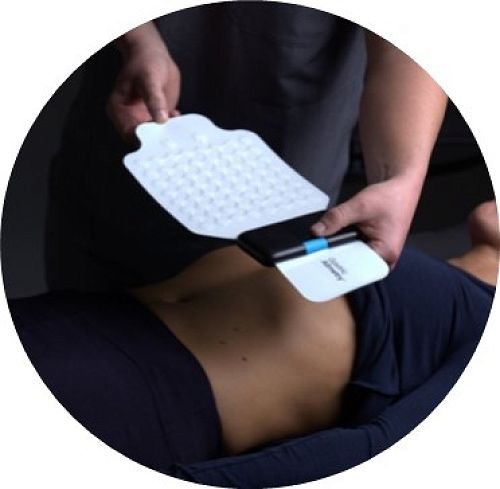
Gastroparesis is a chronic debilitating disorder with significant burden to patients and healthcare systems. GPOEM is an emerging treatment for medically refractory gastroparesis. However, a third of patients lack clinical benefit from the procedure at 1-year follow-up. Gastric Alimetry is a new test of gastric function using non-invasive electrical mapping and simultaneous symptom capture.
Aims:
This international, multicentre, prospective, observational cohort study aims to determine if Gastric Alimetry can predict treatment response to GPOEM in patients with refractory gastroparesis. We aim to develop a clinical decision rule through a predictive model to enhance patient selection for GPOEM.
Methods:
Patients being considered for GPOEM will undergo a Gastric Alimetry test within 30-days prior to their procedure, and subsequently be followed up at 1m, 3m, 6m, and 12m post-GPOEM using a patient-facing mobile app (MyCap).
Contact:
If you would like to enrol to join the GPOEM-GEMS study, please email:
Dr Chris Varghese, University of Aucklandcvar706@aucklanduni.ac.nz

Gallery
Attachments
Related Articles
APDWF-JGHF Emerging Leader Lectureships.
Three (3) Emerging Leader Lectureships will be presented at the APDW2027 which will be held in Hong Kong. If you would l...
The Gut Foundation Grant - Shaping the future of Gut Health in NZ
Applications close 1 October 2026